When Hunting Rules Shift: Building a Regulation-Ready Layering System

Adapting to Hunting Regulations: Creating a Flexible Layering Strategy
Navigating the rules that come with hunting is important for having a time in the wild. These rules change often especially when it comes to what you can wear to be seen. It's important to have a plan for your clothes that follows the rules and also deals with the weather and the ground you're on. The main way to do well is to have a system of layers that helps keep you safe and also respects the place where you're hunting.
Stay Informed About Regional Regulations
Rules can be very different depending on where you hunt what kind of animal is in season. What kind of ground you're on. Keeping up with the rules is important because they can tell you what colors you need to wear and what equipment is allowed. Don't depend on memories or what others say. Check the rules that apply to your area and the time of year you're planning to hunt. Looking up the rules before you go can help you avoid surprises.
Make it a habit to talk to the people who manage the land to know what is open. Getting this information before you go helps you understand the rules about what to wear and what to be seen in making your time outside more fun.
Prepare for Unpredictable Weather
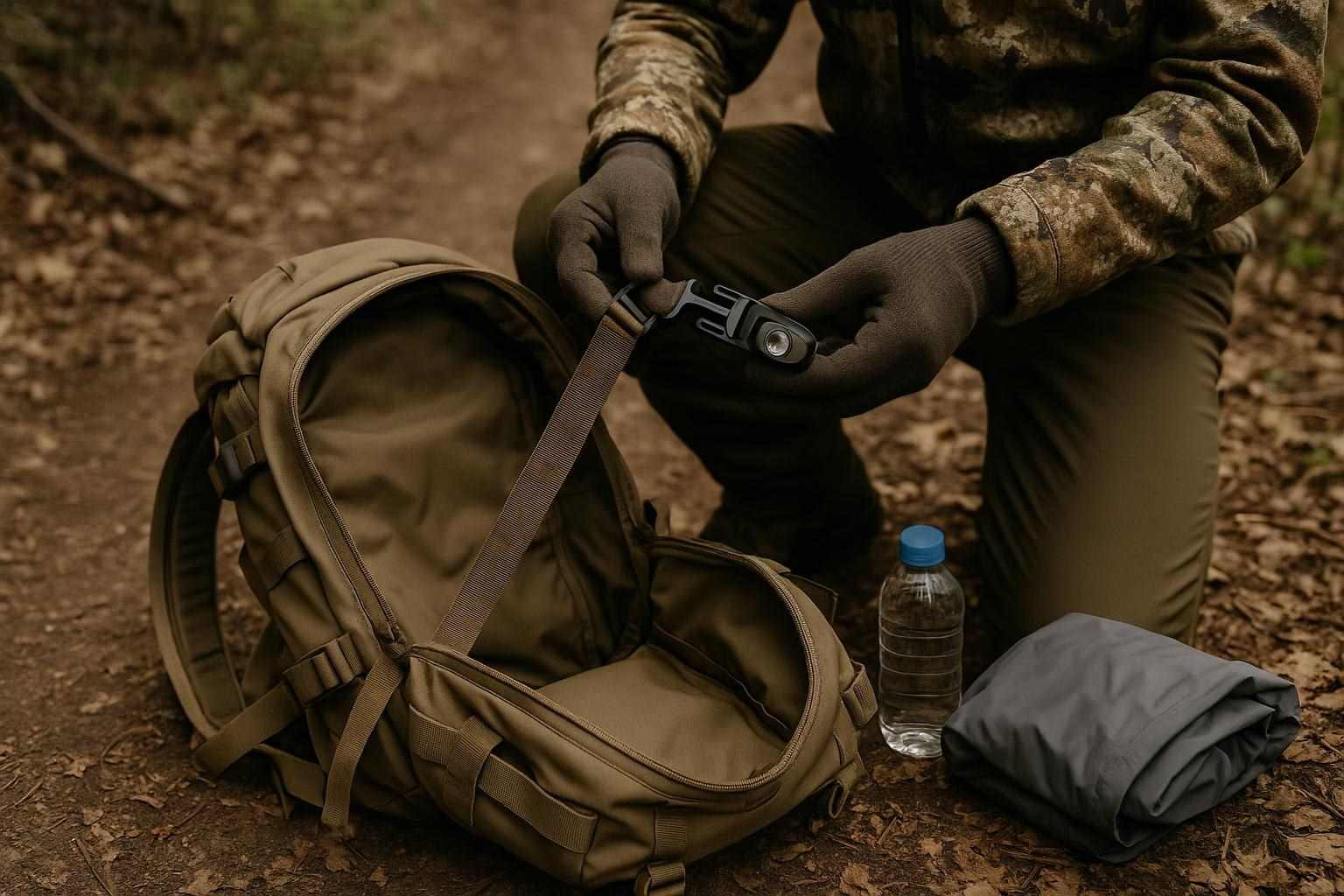
A way to deal with the weather is to have layers that can change. Choose three types of layers: one that takes sweat away from your body one that keeps you warm depending on how much you move and one that protects you from rain and wind. Trying to put all these in one piece of clothing can make the clothes too big and hard to move
Check the weather forecast before you go. If there is weather like cold rain focus on layers that keep you warm but still let you move. It's an idea to have things to cover your face, neck and hands because those parts can get cold. Remember, what feels good when you're moving can be hard when you're not.
Don't wear much. It's important to manage your body temperature. Taking off layers before you start to sweat is important to stay warm because wet clothes can make you cold quickly. Your layers should help you stay warm and also follow the rules for hunting.
Incorporate Visibility in Your Gear
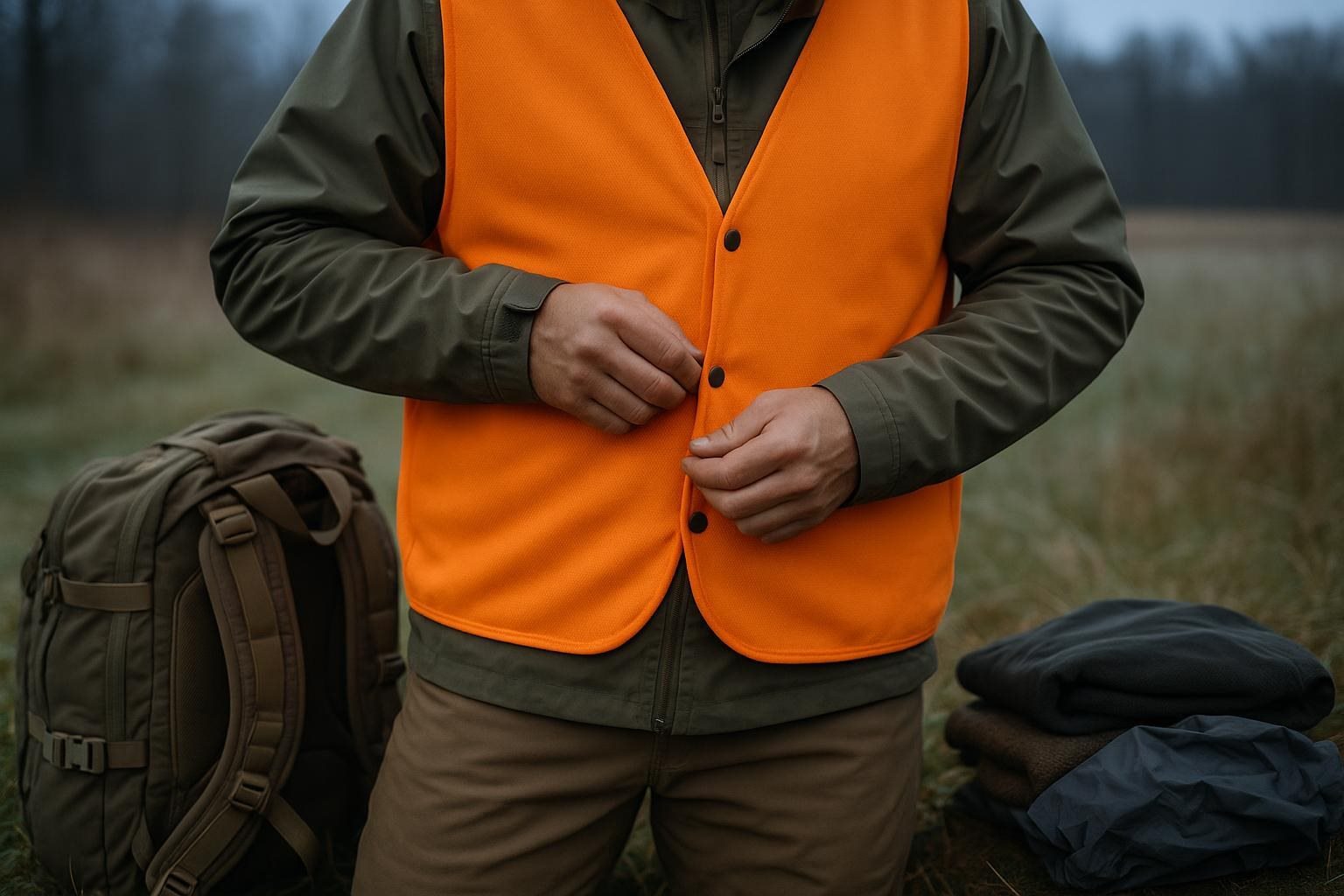
Being seen is not an extra; it is a part of what you wear that you need to think about. Big clothes can cover up the things that make you visible so choose options. Things like hoods or heavy bags can also make it harder for others to see you, which's important if the rules say you need to be seen.
To make sure your layers work try them out at home. Wear all your clothes. Carry a bag. Move around like you would when hunting to check that your visible parts are not blocked and are easy to change.
Balancing being. Being comfortable can be hard. A bright outer layer can help you be seen. It might make it harder to hide or keep warm. Think about using a vest over a quiet shell to get the best of both.
Support Ethical Hunting Practices
The way you feel in your clothes can affect the choices you make when you are hunting. If you are uncomfortable like if your hands are wet or you are too warm you might not make the choices. The clothes you wear don't decide your values. Being ready can help you feel less stressed especially when it comes to seeing and knowing where you are.
Pick clothes that make you feel good so you can think clearly of worrying about being uncomfortable. If the weather gets worse or it feels unsafe it's better to stop for the day than to put yourself at risk for a hunt. Follow the rules that help keep everyone safe when they are hunting.
Conduct a Thorough Gear Evaluation
Preparation should be more than a list; it should be checking every part of your clothes before you go. Put on your layers check how they fit and how they work, including bags. Make sure your pockets close properly zippers. You can move easily.
– Check the rules that are in effect for your place and time.
– Make sure your visible clothes are still visible when you have other layers on.
– Test how you move to see if your clothes work with you.
– Bring rain gear, warm clothes and gloves for the weather.
– Make sure your shoes are comfortable and work on kinds of ground.
– Learn about the rules for where you can go and the paths you can walk.
– Expect the weather to change and be ready to change your plans following the rules.
Write down any problems you find when you test everything and fix them before you go. It's better to fix your clothes at home than out, in the wild. The goal is to have clothes that can change with the weather and the rules making sure that everyone who hunts can do it safely and enjoy it.